The automotive industry is undergoing a period of rapid transformation, driven by advancements in technology, changing consumer preferences, and a growing focus on sustainability. From electric vehicles to autonomous driving, the future of transportation promises to be more efficient, safer, and more environmentally friendly than ever before. In this article, we'll explore some of the key trends shaping the automotive industry and what they mean for the future of transportation.
Electric Vehicles (EVs) Take Center Stage
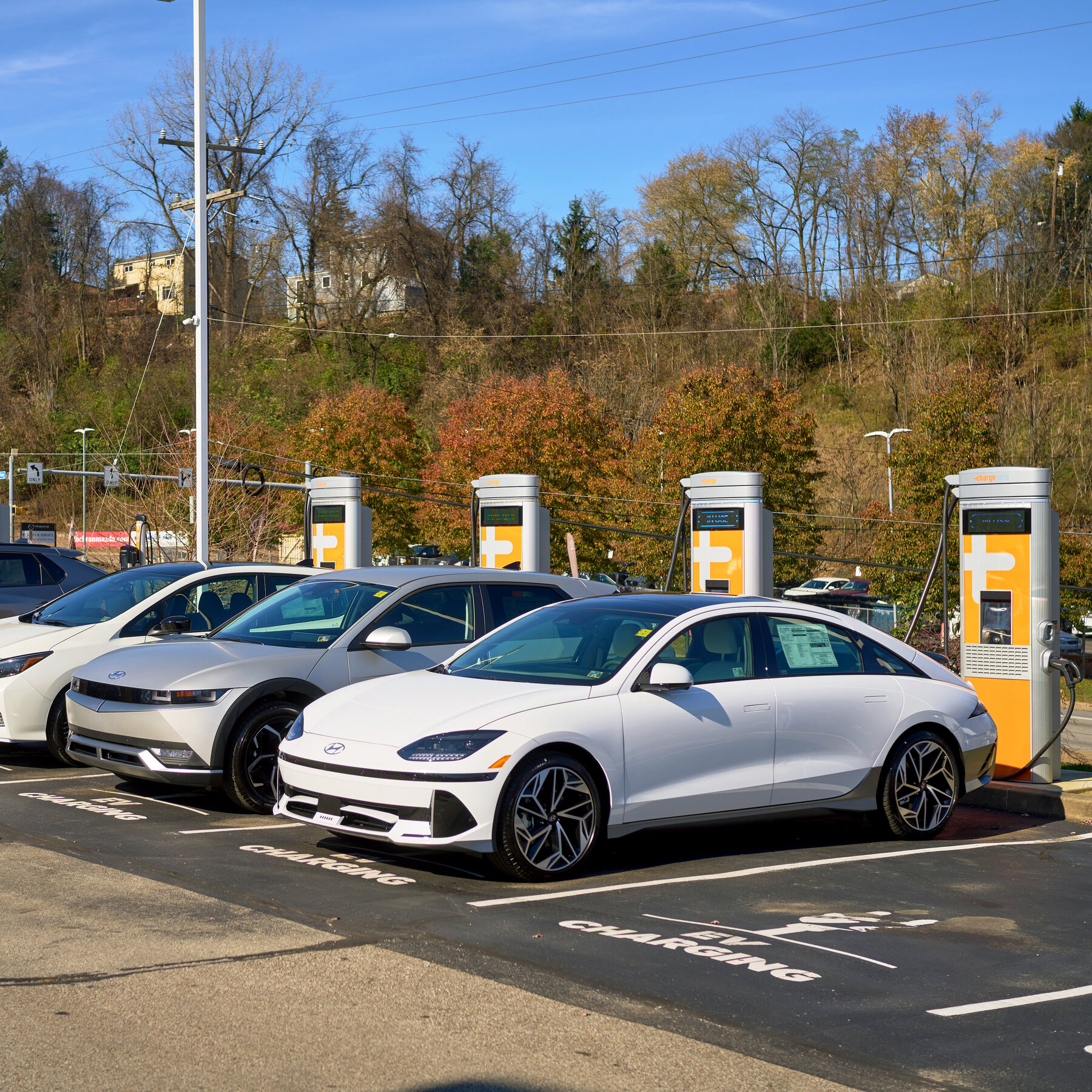
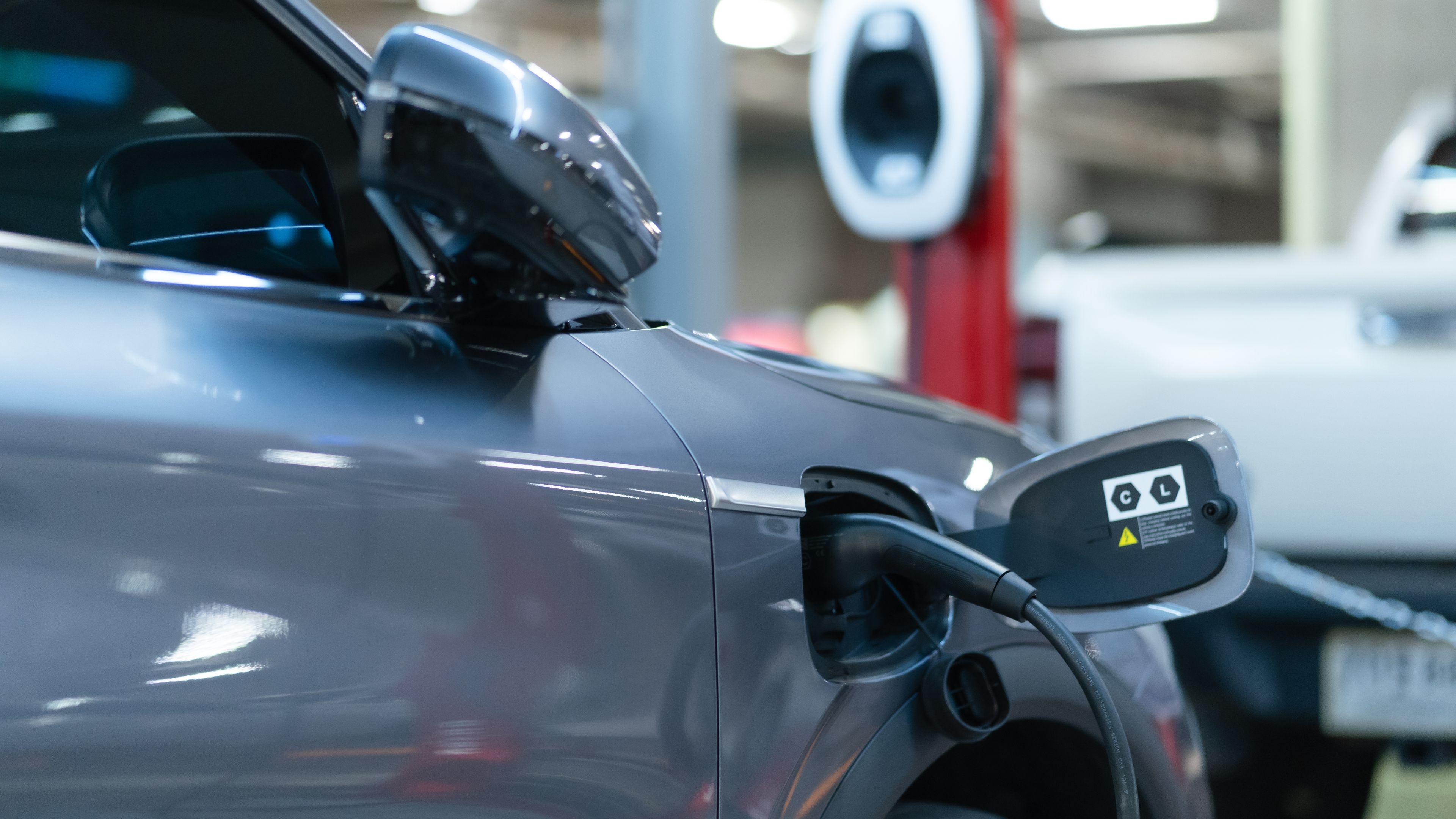
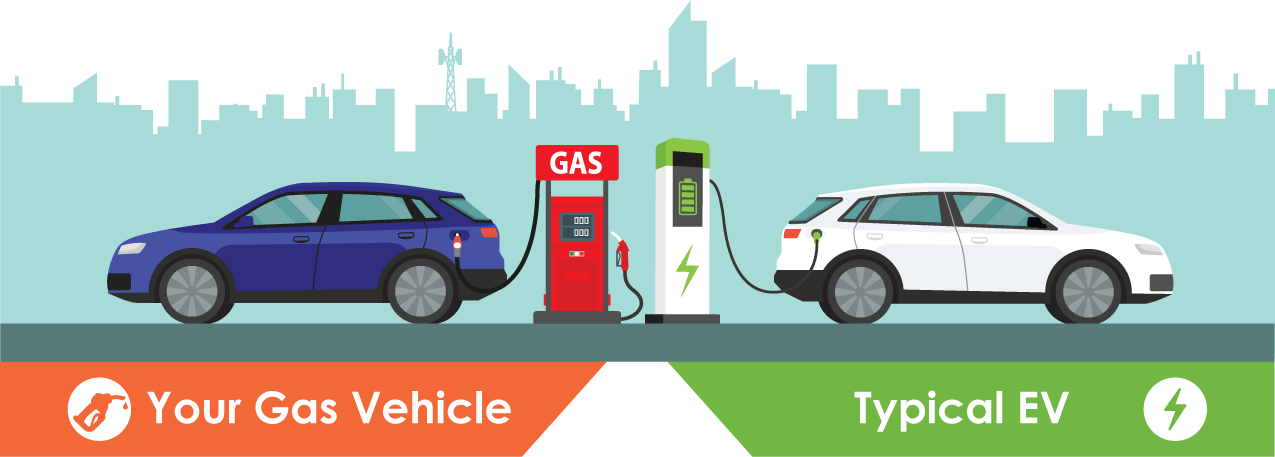
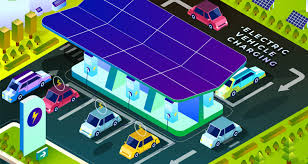
One of the most significant trends in the automotive industry is the rise of electric vehicles (EVs). With concerns about climate change and air pollution on the rise, consumers are increasingly looking for cleaner, more sustainable alternatives to traditional gasoline-powered cars. As a result, automakers around the world are investing heavily in electric vehicle technology. Companies like Tesla, Nissan, and Chevrolet have already introduced popular electric models, and many others are following suit. With advancements in battery technology, EVs now offer longer ranges and faster charging times than ever before, making them a practical option for everyday use.
The Rise of Autonomous Vehicles
Another major trend in the automotive industry is the development of autonomous, or self-driving, vehicles. While fully autonomous cars are still in the testing phase, significant progress has been made in recent years, and many experts believe that fully autonomous vehicles will become a reality in the not-too-distant future. Autonomous vehicles have the potential to revolutionize transportation by reducing accidents, alleviating traffic congestion, and improving the overall efficiency of our transportation systems. Companies like Waymo, Uber, and General Motors are leading the way in developing autonomous vehicle technology, and governments around the world are starting to create regulations to govern their use.
Connectivity and In-Car Technology
In addition to electric and autonomous vehicles, another trend shaping the future of transportation is the increasing connectivity of cars and the proliferation of in-car technology. Today's cars are more connected than ever before, with features like built-in Wi-Fi, smartphone integration, and advanced navigation systems becoming standard. Automakers are also investing in technologies like vehicle-to-vehicle (V2V) communication, which allows cars to communicate with each other to prevent accidents and improve traffic flow. As a result, the driving experience is becoming more seamless, efficient, and enjoyable than ever before.

Sustainability and Environmental Responsibility
Finally, sustainability and environmental responsibility are becoming increasingly important considerations for both consumers and automakers alike. With concerns about climate change and air pollution on the rise, there is growing pressure on the automotive industry to develop cleaner, more sustainable vehicles. In response, many automakers are investing in alternative fuels, lightweight materials, and other eco-friendly technologies to reduce the environmental impact of their vehicles. From hybrid and electric cars to hydrogen fuel cell vehicles, the future of transportation is looking greener than ever before.
Conclusion: The Future is Electric, Autonomous, and Connected
The automotive industry is undergoing a period of profound transformation, driven by advancements in technology, changing consumer preferences, and a growing focus on sustainability. From electric and autonomous vehicles to connectivity and in-car technology, the future of transportation promises to be more efficient, safer, and more environmentally friendly than ever before.