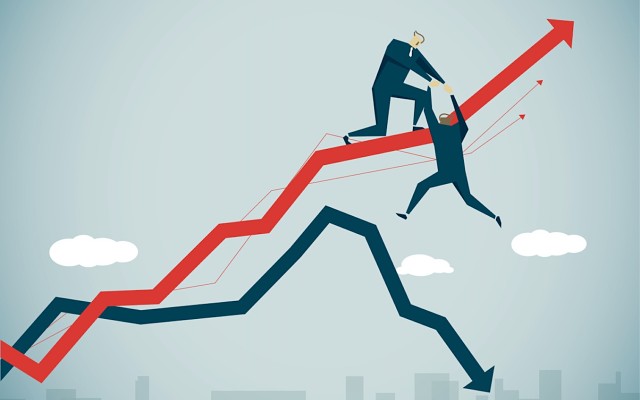
Financial markets, with their modern sophistication, have origins that are surprisingly ancient. Long before Wall Street’s bustling corridors, the earliest markets appeared in Mesopotamia, where grain futures were traded as early as 1750 BC. These rudimentary exchanges laid the groundwork for the intricate systems we see today. In ancient Greece, the Agora was a central spot not just for philosophical discourse but for trading goods and setting prices. Fast forward to medieval Europe, and you'll find the establishment of the first stock markets in Bruges and Antwerp, where merchants began trading shares in joint-stock companies. Understanding these origins gives us insight into the fundamental human desire to trade, invest, and seek profit.
The Impact of Technology on Trading
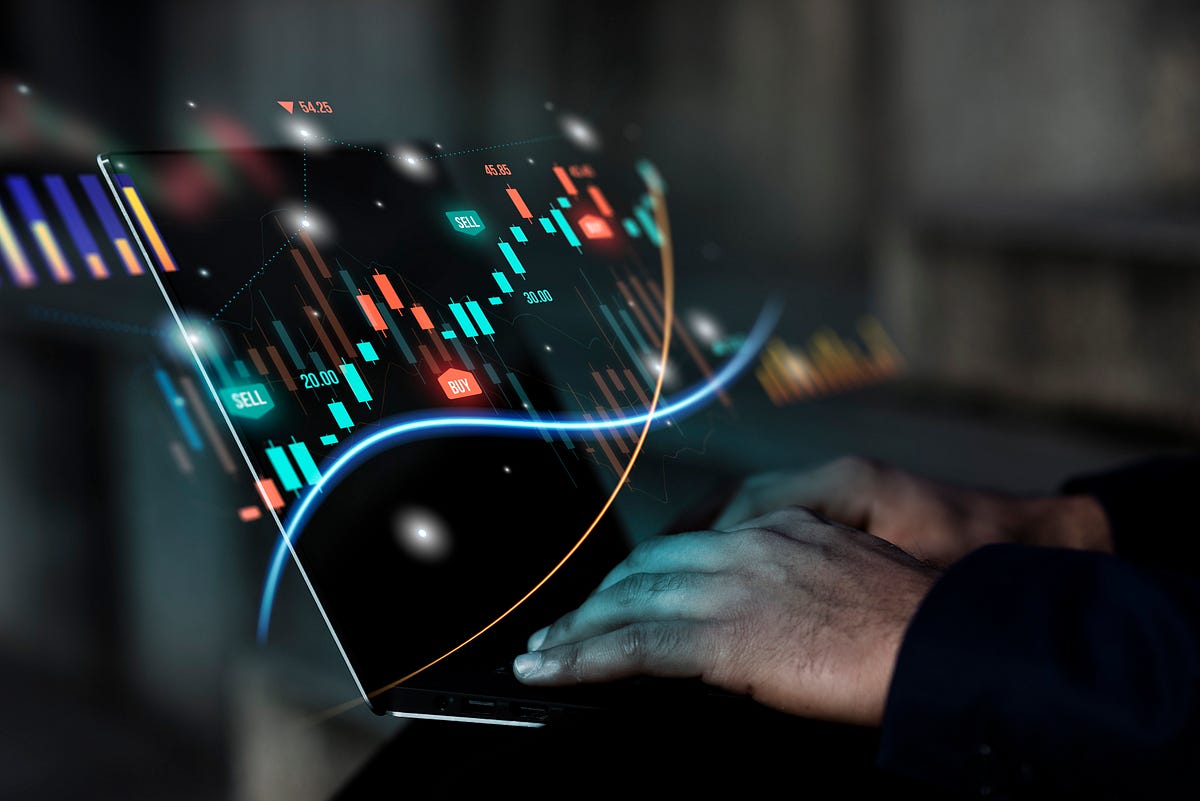
In the blink of an eye, technology has transformed trading from a manual, paper-driven process to an electronic, high-speed endeavor. The advent of computers in the 1970s introduced algorithms that could execute trades at speeds humans couldn’t match. Today, high-frequency trading (HFT) dominates, with algorithms making decisions in microseconds. These advancements have increased market efficiency but also introduced volatility. Moreover, the rise of blockchain technology and cryptocurrencies has revolutionized financial markets further, offering decentralized and transparent systems that challenge traditional banking and trading methods. The role of artificial intelligence in predicting market movements is another frontier, promising to reshape how trades are made.
The Role of Behavioral Finance
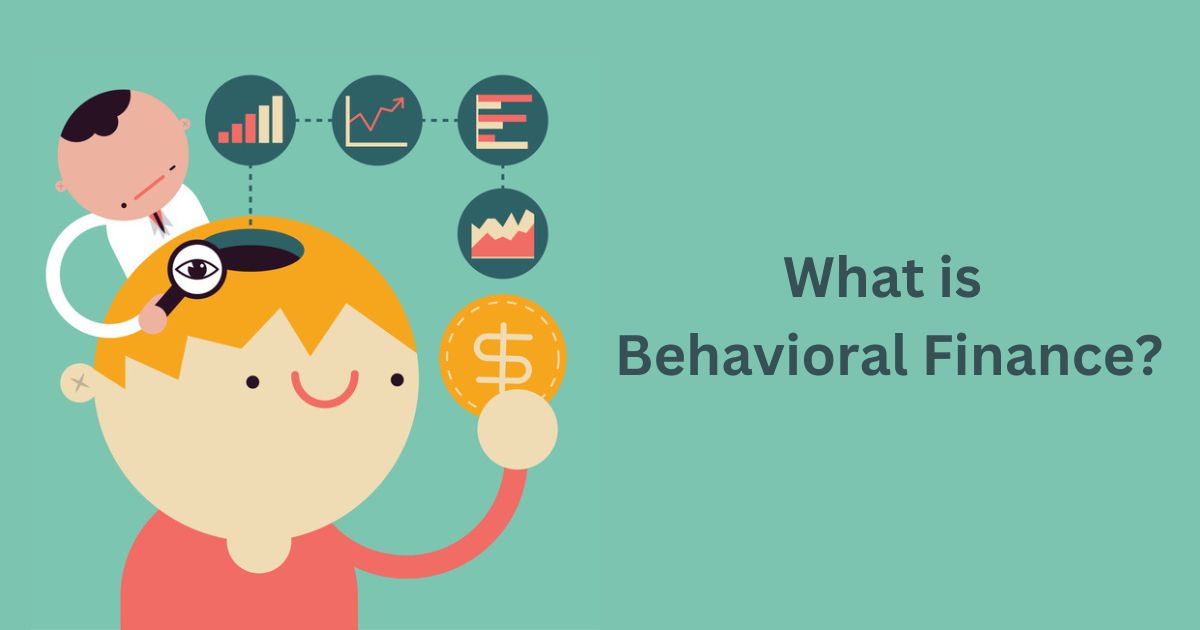
Traditional financial theory assumes that investors are rational, making decisions purely on logical analysis. Enter behavioral finance, a field that reveals how emotions and cognitive biases influence investor behavior. Pioneered by psychologists like Daniel Kahneman and Amos Tversky, this discipline shows that fear, overconfidence, and herd mentality often drive market movements. For example, the Dot-com bubble of the late 1990s and the 2008 financial crisis were exacerbated by irrational exuberance and panic selling. By understanding behavioral finance, investors can better navigate the market’s emotional swings, recognizing when their decisions are driven by logic or by the more primal parts of the brain.
The Unpredictable Nature of Market Trends
If there's one constant in financial markets, it’s their unpredictability. Despite sophisticated models and expert predictions, markets often defy expectations. Consider the 2008 financial crisis, which few saw coming, or the rapid recovery of markets following the initial COVID-19 crash. Trends can be driven by an array of factors, from political upheavals to technological breakthroughs and even social media influence. The GameStop frenzy of 2021, fueled by retail investors on Reddit, highlighted how unconventional forces can disrupt traditional market dynamics. This unpredictability underscores the importance of diversification and risk management in any investment strategy.

The Influence of Global Events on Financial Markets
Global events wield significant power over financial markets. Wars, natural disasters, pandemics, and geopolitical tensions can cause markets to soar or plummet. The 1973 oil crisis, for instance, led to a severe stock market downturn as oil prices quadrupled. More recently, the COVID-19 pandemic caused unprecedented volatility, with markets initially crashing before rallying to new highs thanks to stimulus measures and vaccine rollouts. Understanding the interconnectedness of global events and markets helps investors anticipate and react to changes more adeptly. It also highlights the importance of staying informed about international news and trends, as today's globalized economy means that an event in one part of the world can have ripple effects everywhere.
By delving into these surprising facets of financial markets and trends, we gain a deeper appreciation for the complexity and dynamism that characterize the world of finance. From ancient trading floors to the high-speed, tech-driven exchanges of today, the financial markets continue to evolve, influenced by a myriad of factors both predictable and unforeseen.