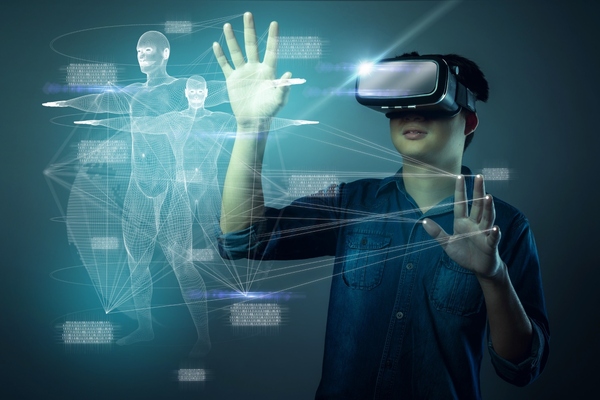
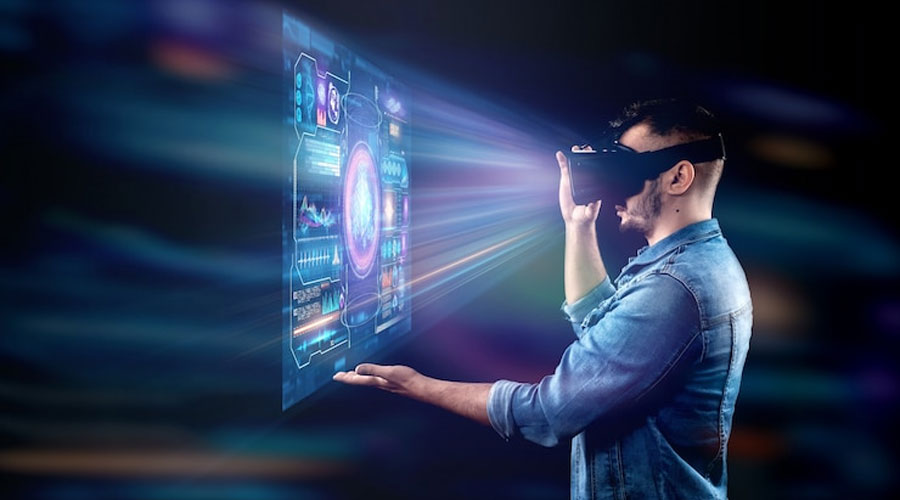
Augmented reality (AR) has emerged as one of the most exciting and transformative technologies of the 21st century, promising to revolutionize the way we interact with the world around us. From gaming and entertainment to healthcare and education, AR has the potential to impact nearly every aspect of our lives. In this article, we'll explore the latest trends in augmented reality and what they mean for the future of technology.
Augmented Reality in Gaming and Entertainment
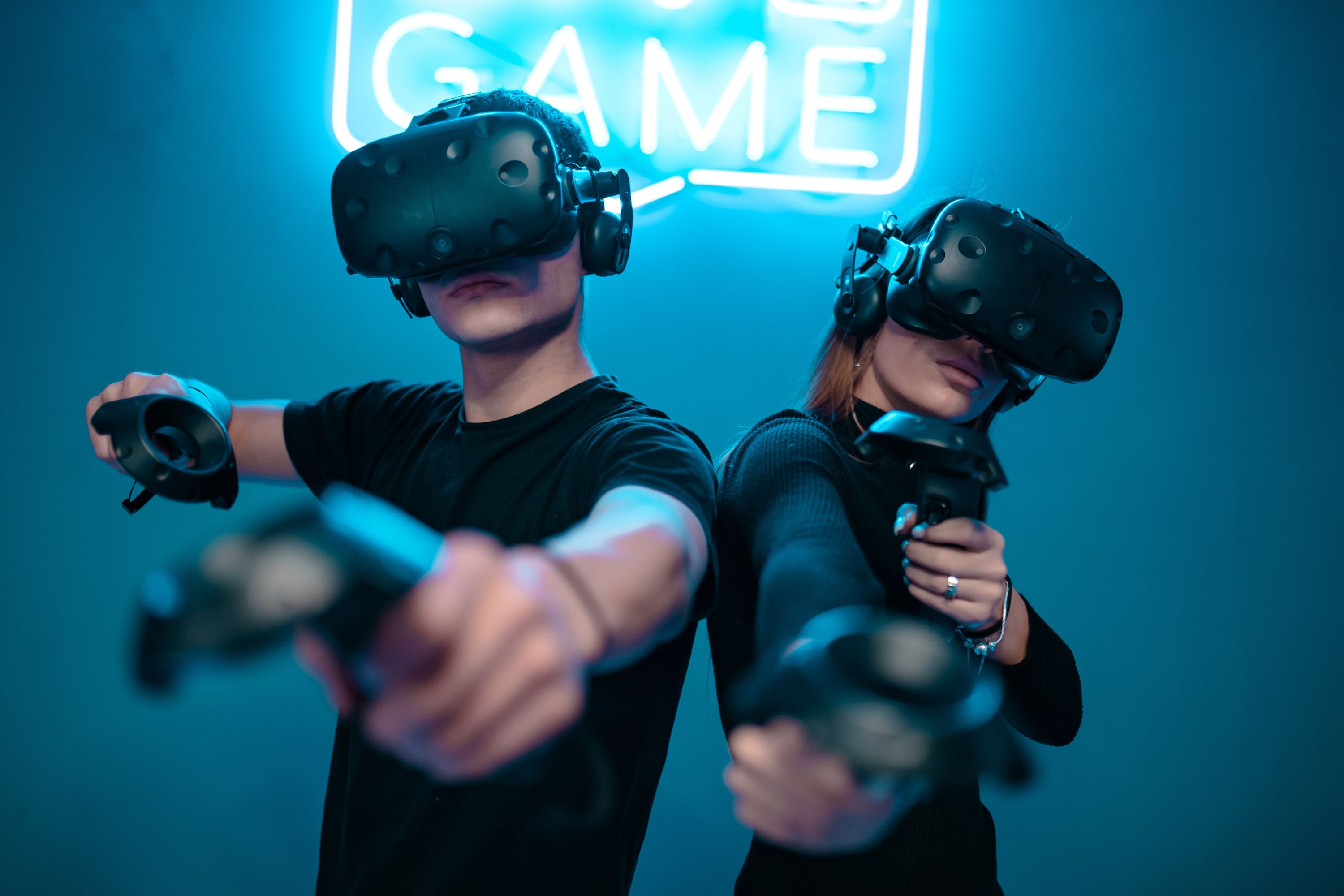
One of the most well-known applications of augmented reality is in gaming and entertainment. Companies like Niantic, the creators of Pokémon GO, have shown how AR can be used to create immersive gaming experiences that blend the virtual and physical worlds. In addition to gaming, AR is also being used to enhance other forms of entertainment, such as movies, television, and live events. For example, companies like Magic Leap are developing AR headsets that allow users to interact with digital content overlaid onto the real world, creating truly immersive entertainment experiences.
Augmented Reality in Healthcare
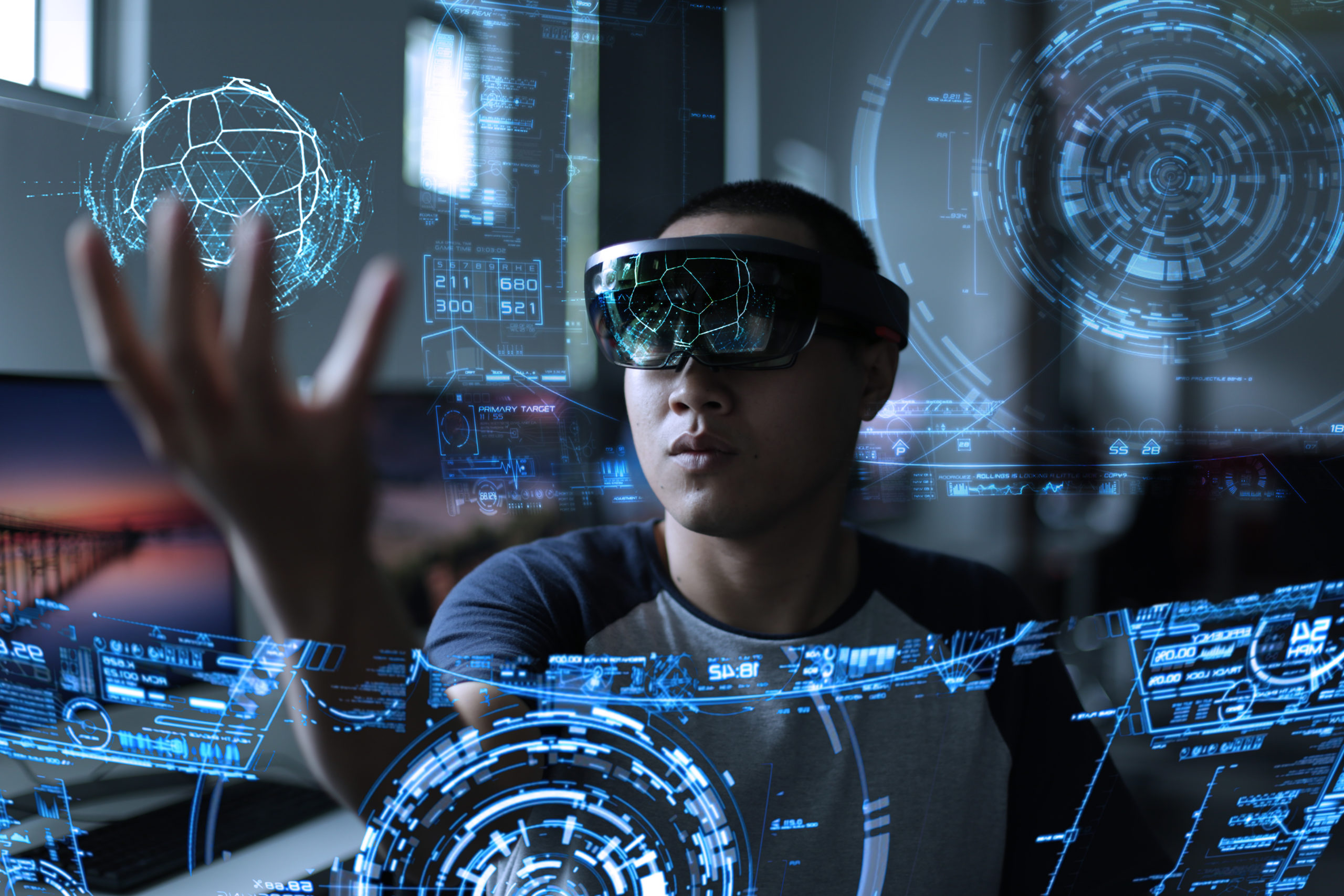
Augmented reality is also making waves in the healthcare industry, where it is being used to improve patient care, training, and surgical outcomes. Surgeons can use AR headsets to overlay digital images onto a patient's body during surgery, providing real-time guidance and enhancing precision. In addition to surgery, AR is also being used to improve medical training and education. Medical students can use AR to simulate surgical procedures and practice complex techniques in a safe and controlled environment, reducing the need for cadavers and improving learning outcomes.

Augmented Reality in Education
In the field of education, augmented reality has the potential to revolutionize the way students learn and engage with course material. By overlaying digital content onto the real world, AR can make learning more interactive, immersive, and engaging. For example, students studying anatomy can use AR to explore 3D models of the human body, while those studying history can use AR to bring historical events and figures to life. By making learning more interactive and hands-on, AR has the potential to improve student engagement and retention.
Augmented Reality in Retail
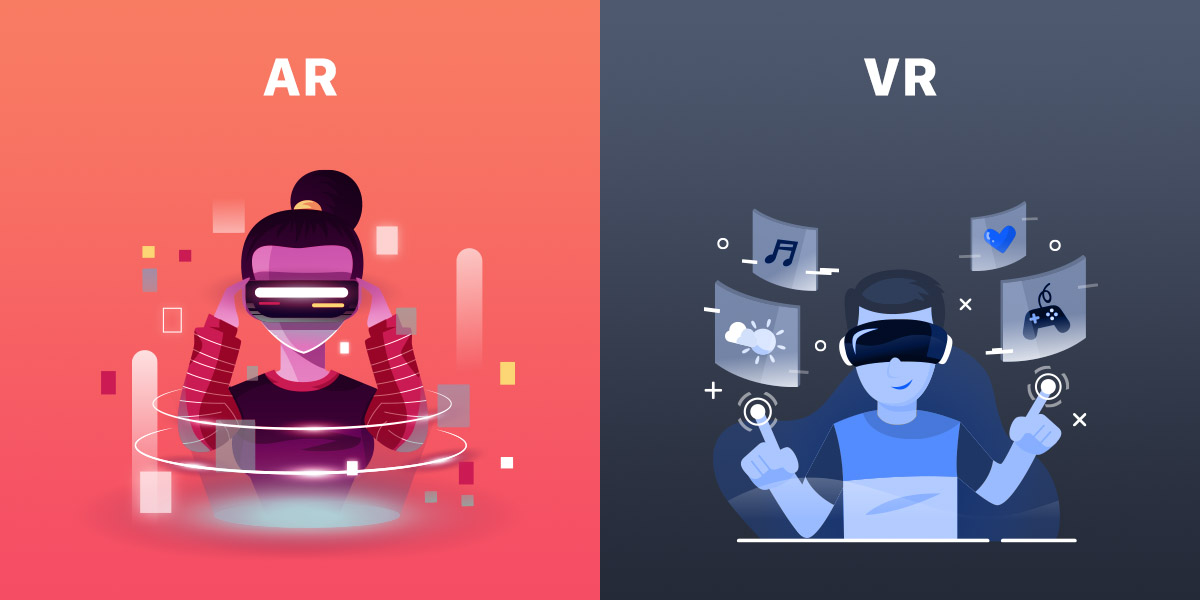
In the retail industry, augmented reality is being used to enhance the shopping experience and drive sales. Companies like IKEA and Sephora are using AR to allow customers to visualize products in their own homes before making a purchase. By overlaying digital images onto the real world, AR allows customers to see how furniture, clothing, and makeup will look in their homes or on their bodies, making it easier to make informed purchasing decisions. This not only improves the customer experience but can also help drive sales and reduce returns.
Conclusion: The Future of Augmented Reality
As augmented reality technology continues to evolve and improve, its potential to transform the way we live, work, and play is virtually limitless. From gaming and entertainment to healthcare, education, and retail, AR has the power to revolutionize nearly every aspect of our lives, creating truly immersive, interactive, and personalized experiences.