The vegan lifestyle has gained significant traction in recent years, with more people than ever choosing to adopt plant-based diets for health, ethical, and environmental reasons. From celebrities to athletes, it seems like everyone is talking about the benefits of going vegan. In this article, we'll explore the growing popularity of the vegan lifestyle, its impact on health and the environment, and provide some tips for those considering making the switch.
With the rise of plant-based diets, the vegan lifestyle has become more than just a trend—it's a philosophy embraced by millions around the world.
This article explores the growing popularity of the vegan lifestyle, its impact on health and the environment, and provides tips for those considering making the switch.
The Vegan Movement: More Than Just a Trend
What was once considered a niche diet is now a mainstream lifestyle choice embraced by millions around the world. The vegan movement is about more than just avoiding animal products; it's a philosophy that seeks to minimize harm to animals, promote sustainability, and improve human health.

Health Benefits of a Vegan Diet
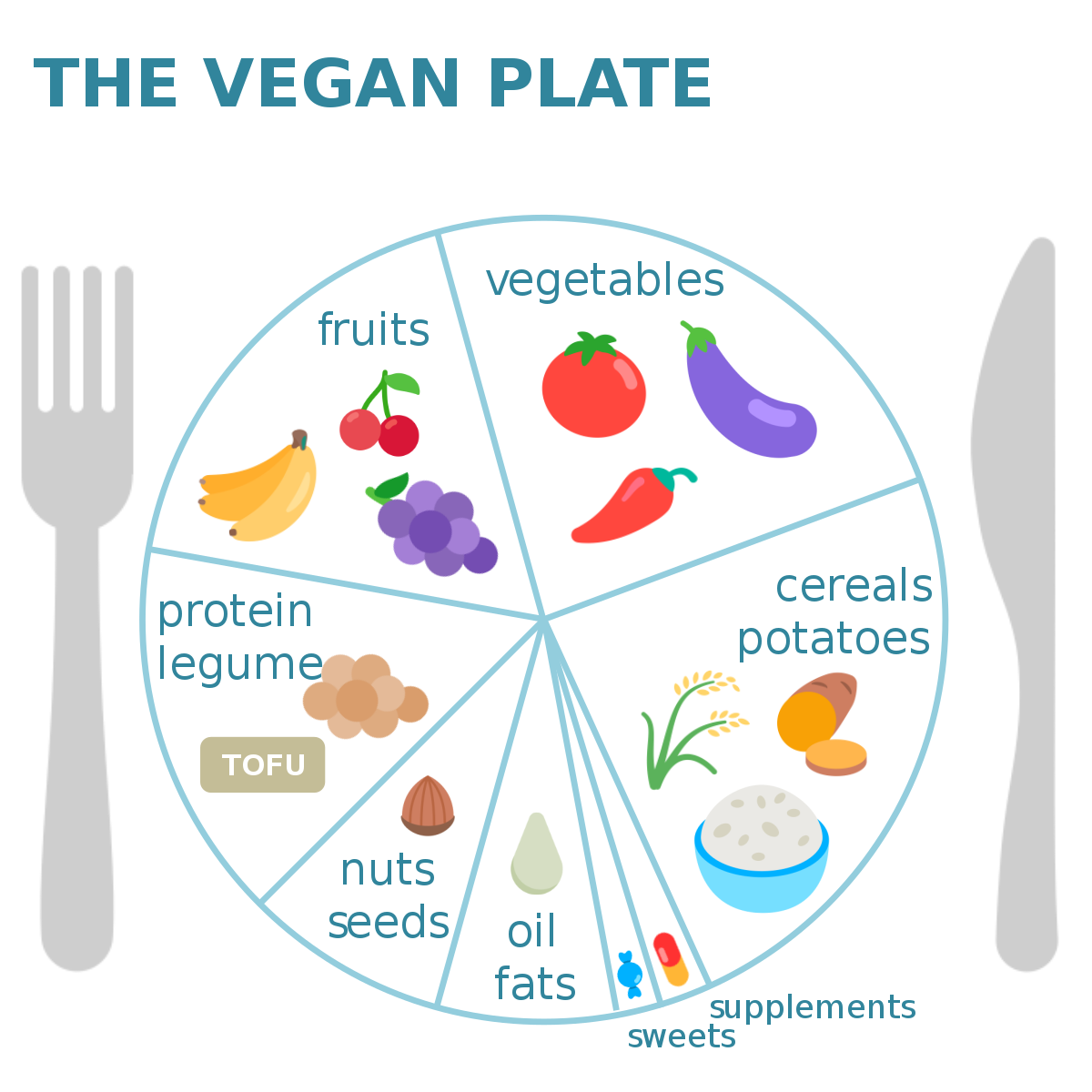
One of the main reasons people choose to go vegan is for health reasons. Numerous studies have shown that plant-based diets can have a range of health benefits, including: -Lower risk of heart disease and stroke -Reduced risk of certain types of cancer, including colon and breast cancer -Better weight management and lower risk of obesity -Improved blood sugar control and lower risk of type 2 diabetes -Lower blood pressure and cholesterol levels By eliminating animal products and focusing on whole, plant-based foods, vegans can enjoy a diet that is rich in vitamins, minerals, fiber, and antioxidants, all of which are essential for good health.

Environmental Impact of Veganism
In addition to its health benefits, the vegan lifestyle also has a positive impact on the environment. Animal agriculture is a leading cause of deforestation, habitat destruction, and greenhouse gas emissions. By choosing plant-based foods over meat and dairy, vegans can significantly reduce their carbon footprint and help mitigate climate change.

Tips for Going Vegan
If you're considering adopting a vegan lifestyle, here are a few tips to help you get started: 1 Start slowly: Transitioning to a vegan diet can be challenging, so don't try to do it all at once. Start by incorporating more plant-based foods into your meals and gradually eliminate animal products. 2 Educate yourself: Take the time to learn about vegan nutrition and familiarize yourself with plant-based ingredients and recipes. There are plenty of resources available online, including vegan cookbooks, blogs, and YouTube channels. 3 Experiment with new foods: Going vegan doesn't mean giving up your favorite foods. There are plenty of delicious plant-based alternatives to meat, dairy, and eggs, so don't be afraid to try new things. 4 Be prepared: Stock your kitchen with plenty of fruits, vegetables, whole grains, nuts, and seeds, so you always have healthy options on hand.
Conclusion
The vegan lifestyle is more than just a diet; it's a commitment to compassion, sustainability, and wellness. Whether you're motivated by health, ethics, or the environment, going vegan is a decision that can have a positive impact on your life and the world around you.