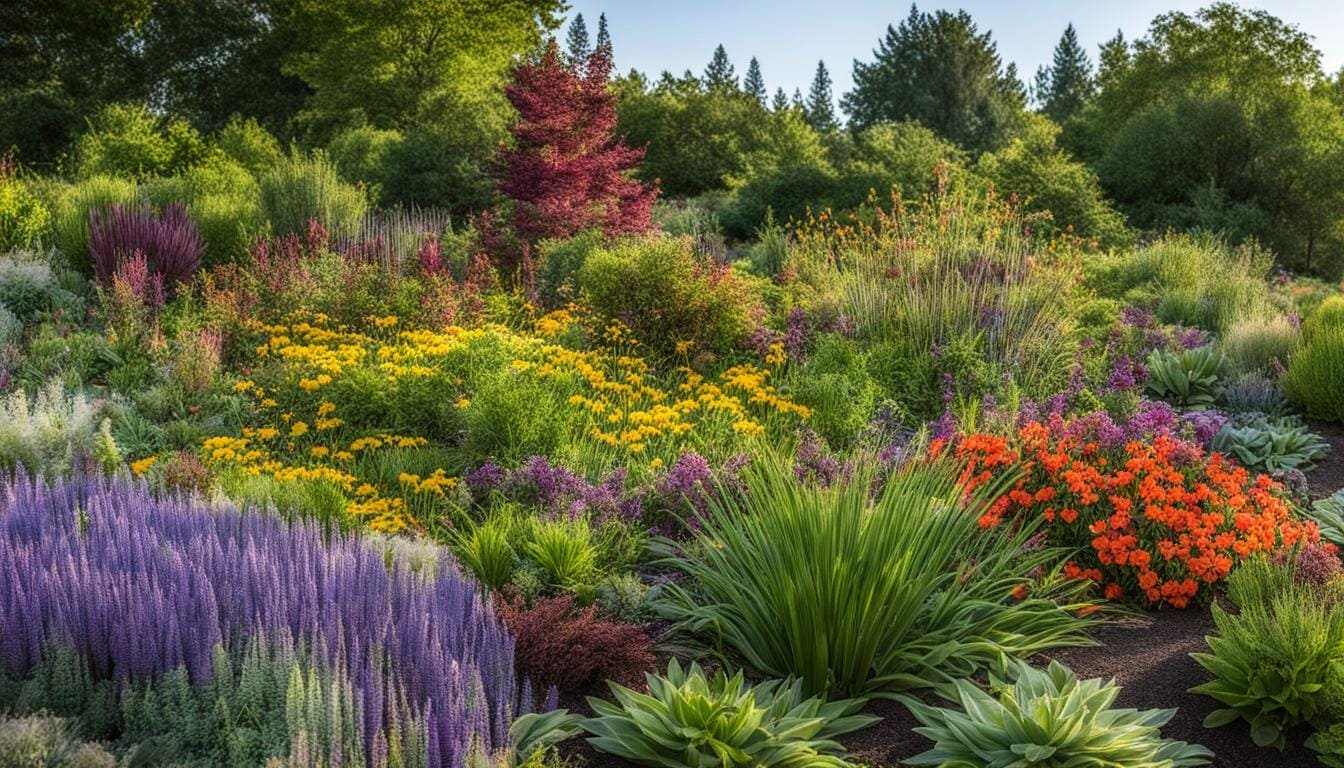
Let's be honest, trying to grow tropical plants in the arctic is like teaching a cat to fetch – it’s just not going to happen. The secret to a flourishing garden lies in choosing plants that are as comfortable in your climate as you are in your favorite pair of pajamas. Hardy perennials, drought-resistant succulents, and native species are your best friends. They laugh in the face of droughts, sneer at frosts, and generally require less fussing over. Take a stroll through your local botanical garden or a neighbor’s flourishing yard to get a good sense of what thrives locally. Plants that have been around for centuries know a thing or two about surviving, so take their lead and watch your garden blossom
Composting: Turning Waste into Garden Gold
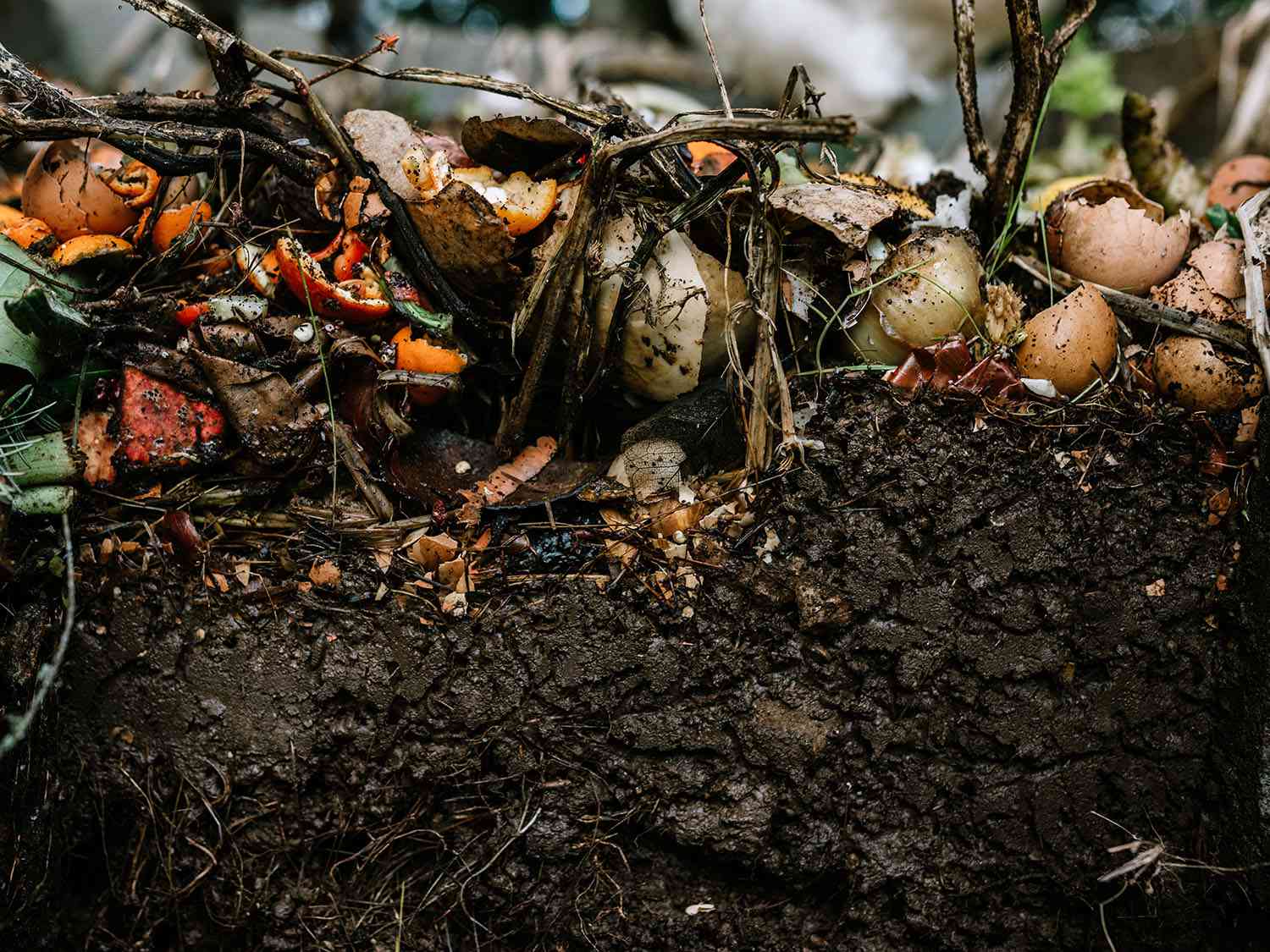
Ever wonder what to do with those kitchen scraps? Composting is like alchemy for gardeners – it turns everyday waste into black gold. Eggshells, coffee grounds, vegetable peels – all these scraps you usually toss out can be repurposed into nutrient-rich compost. Start by creating a compost pile or using a compost bin. Layer your greens (like veggie scraps) with browns (think dried leaves and cardboard), give it a turn every now and then, and voilà! You’re on your way to a rich, crumbly, earthy-smelling soil conditioner that your plants will love. Plus, it’s free! So, go ahead, give yourself a pat on the back for reducing waste and enriching your garden soil.
Watering Wisely: Conservation Techniques
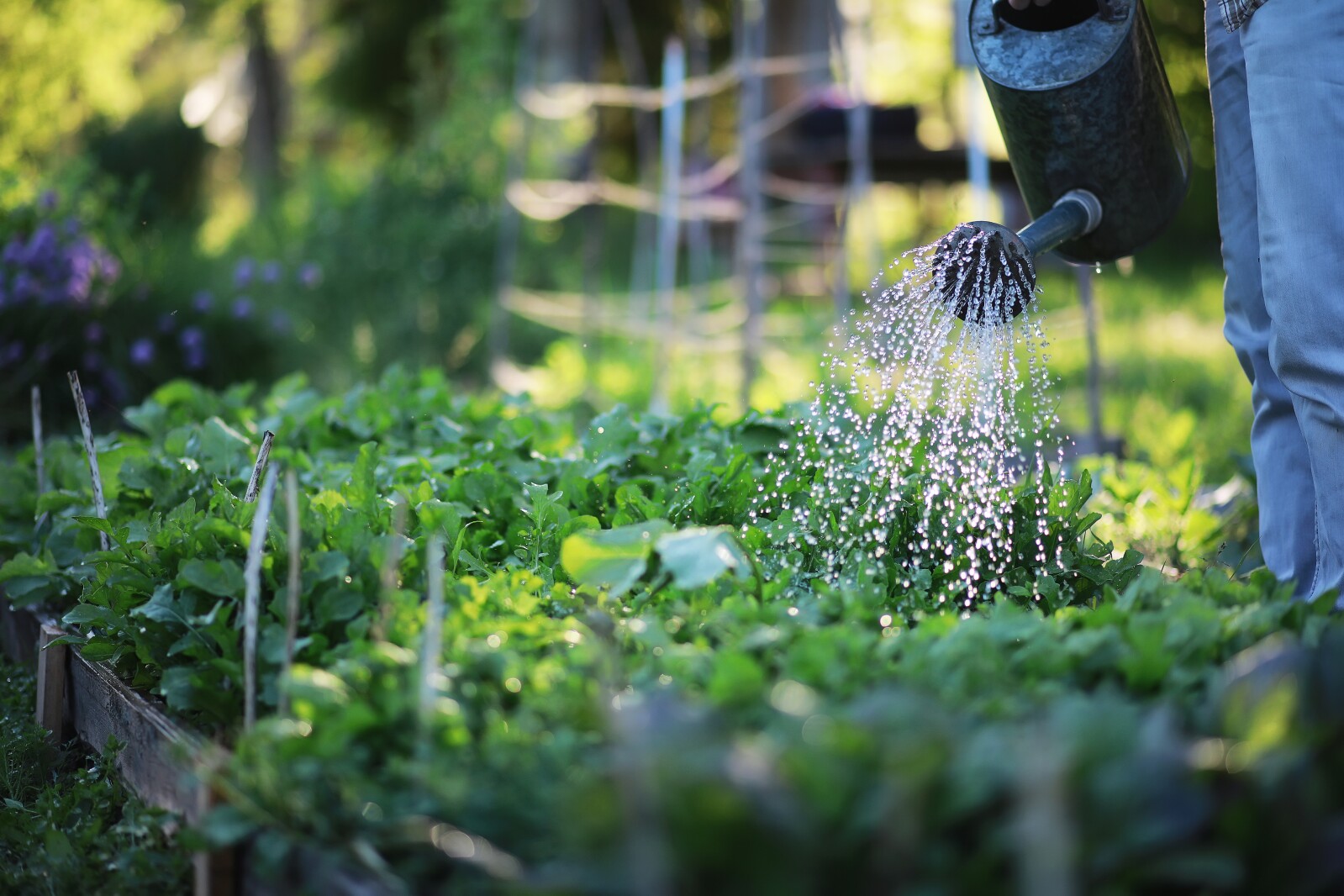
Overwatering your plants is like drowning them in affection – well-intentioned but fatal. Sustainable gardening is all about being water-wise. Install a rain barrel to catch those precious drops from the sky. Drip irrigation systems and soaker hoses are great investments that deliver water directly to the roots, where it’s needed most. Mulching is another trick up a savvy gardener’s sleeve. A layer of organic mulch not only keeps the soil moist but also suppresses those pesky weeds. Timing is everything, too – water early in the morning or late in the evening to reduce evaporation. Your garden doesn’t need to take a shower every day, just a nice, deep drink now and then.
Natural Pest Control Methods
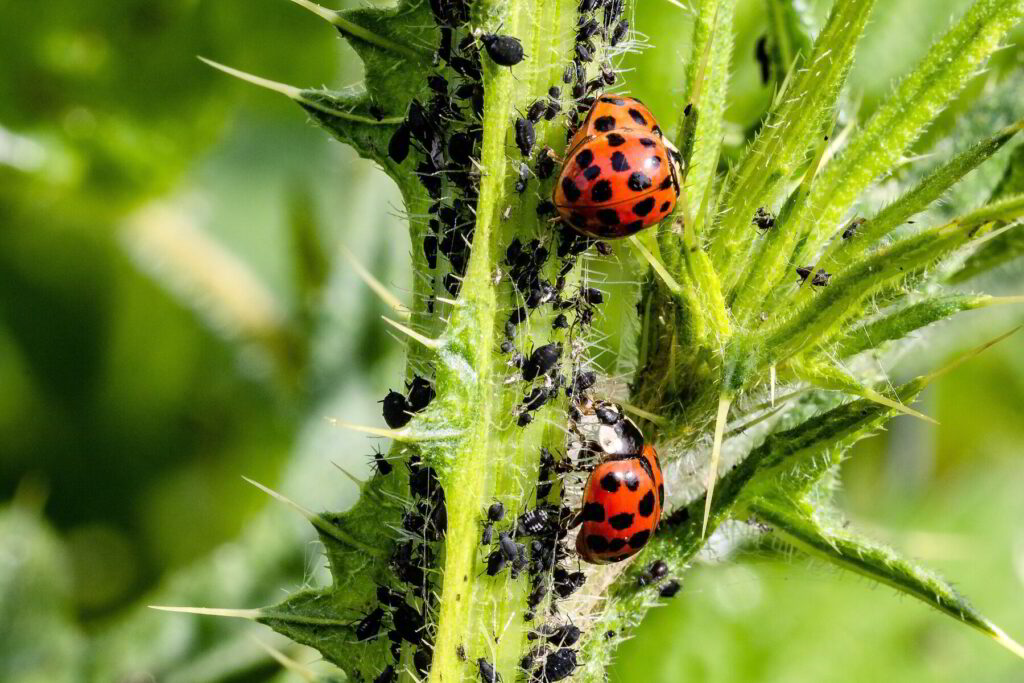
Put down that chemical spray! There’s a whole arsenal of natural pest control methods waiting for you to discover. Invite beneficial insects like ladybugs and lacewings into your garden – they love munching on aphids and other pests. Companion planting is another ingenious strategy; marigolds, for instance, repel nematodes, while basil deters flies and mosquitoes. If pests are still crashing your garden party, try homemade sprays made from garlic, neem oil, or even dish soap. These concoctions won’t harm your plants or the environment. Remember, a healthy garden is a diverse garden. The more variety you have, the less likely pests are to take over.
Incorporating Native Plants for Biodiversity
Native plants are like the local heroes of the plant world. They’ve adapted to your region over eons and play well with the local fauna. By incorporating native species, you’re not just creating a beautiful garden; you’re also supporting the local ecosystem. Birds, bees, and butterflies will flock to your yard, creating a buzzing, chirping, fluttering paradise. Native plants require less water, fertilizer, and pest control than their exotic counterparts. They’ve evolved to thrive in your soil and climate conditions. So, plant a variety of native flowers, shrubs, and trees to create a tapestry of color and life that supports local biodiversity.