Financial literacy is the cornerstone of a secure and prosperous life. It equips individuals with the knowledge and skills needed to manage money effectively. Without financial literacy, people often find themselves in a cycle of debt, making uninformed decisions that can lead to financial ruin. Understanding financial concepts allows for better planning and management, ensuring that future goals, whether it be buying a home, retiring comfortably, or funding education, are attainable.
Understanding Financial Terminology
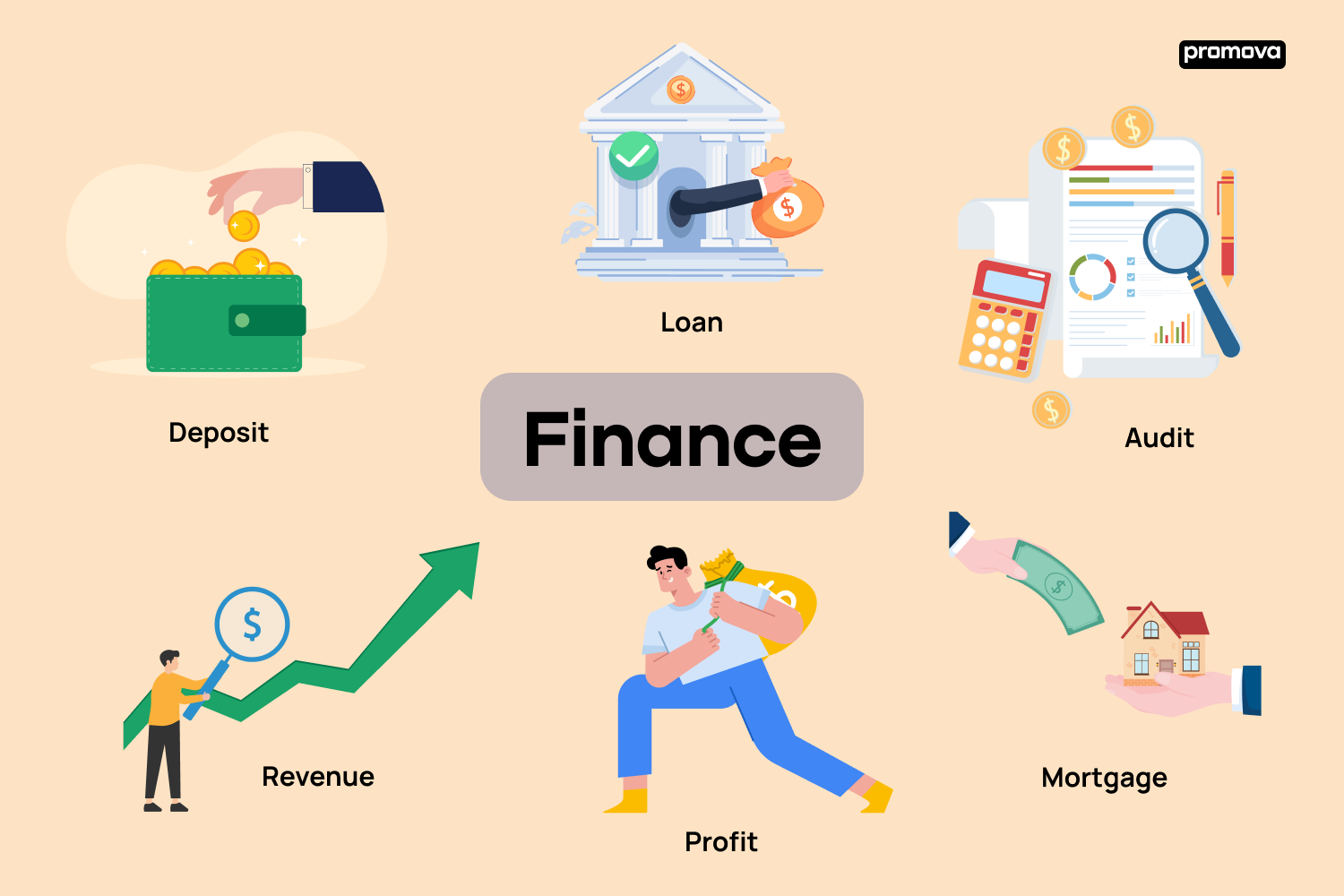
Navigating the world of finance can be daunting without a grasp of its language. Terms like APR, amortization, and diversification might seem intimidating, but they are fundamental to making informed decisions. APR, or Annual Percentage Rate, affects everything from credit card debt to mortgage payments. Amortization is the process of spreading out a loan into a series of fixed payments. Diversification, on the other hand, is a risk management strategy that mixes a wide variety of investments within a portfolio. Familiarizing oneself with these terms can demystify financial processes and make one a more confident participant in financial discussions.
Building a Strong Financial Foundation
A strong financial foundation is built on sound practices and disciplined habits. It starts with creating an emergency fund, a safety net that covers three to six months of expenses. This fund provides a buffer against unexpected expenses, such as medical emergencies or job loss. Additionally, maintaining a good credit score is crucial. It influences the ability to borrow money at favorable terms. Regularly checking and understanding one's credit report can help identify and correct any inaccuracies, thus safeguarding one's financial reputation.

Budgeting and Saving Strategies
Budgeting is the roadmap to financial success. It involves tracking income and expenses to ensure that spending aligns with financial goals. The 50/30/20 rule is a popular budgeting strategy: 50% of income goes to necessities, 30% to discretionary spending, and 20% to savings. Automating savings can also be highly effective. Setting up automatic transfers to a savings account ensures that saving becomes a regular habit. Over time, these savings can grow, providing the funds needed for major purchases or investments.

Investing Wisely for the Future
Investing is a key component of financial growth and security. It allows money to grow over time, potentially outpacing inflation. There are various investment vehicles to consider, such as stocks, bonds, mutual funds, and real estate. Each comes with its own level of risk and potential return. Diversifying investments is crucial to managing risk. It's also important to understand one's risk tolerance and to set long-term financial goals. Working with a financial advisor can provide personalized guidance, helping to craft an investment strategy tailored to individual needs and circumstances.

Avoiding Common Financial Pitfalls
Financial pitfalls are common, but they can be avoided with vigilance and education. High-interest debt, such as credit card balances, can quickly spiral out of control if not managed properly. Creating and sticking to a budget helps prevent overspending. Additionally, it's essential to be wary of financial scams. Fraudulent schemes often promise high returns with little risk, which should be a red flag. Educating oneself about common scams and regularly monitoring financial accounts can help protect against fraud. Lastly, procrastination in financial planning can lead to missed opportunities. Starting early, even with small steps, can lead to significant financial benefits over time.
By embracing financial literacy, understanding key concepts, and implementing sound strategies, anyone can achieve financial stability and success. The journey to financial literacy is ongoing, but the rewards of being financially informed are immense, providing peace of mind and the freedom to pursue life's ambitions.